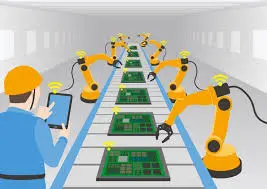
It refers to the use of tools, software, and machines to complete tasks automatically instead of manually.
Marketing has always evolved alongside technology. From newspaper advertisements to social media campaigns, these changes have shaped how brands connect with people.
This is the biggest force driving the next phase of marketing. It’s not about replacing humans with machines, but rather about making marketing processes smarter, faster, and more effective.
It’s changing how brands understand customers, how they communicate their message, and how they measure results. Let’s explore how this transformation is shaping the future of marketing.
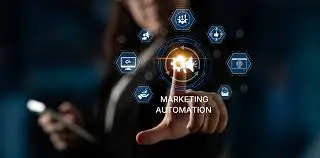
What is Marketing Automation?
It is the use of technology and software to manage repetitive tasks automatically.
These tasks include customer segmentation, campaign tracking, follow-ups, email marketing, lead nurturing, and social media posting.
The biggest advantage is that it eliminates manual work, and automation tools respond to customer behavior in real time. This allows businesses to deliver timely and personalized communication consistently, without constant human intervention.
Why it is More Important Than Ever Today
Customers today want an experience where they receive fast and personalized responses from brands, as they interact with brands across multiple platforms: email, websites, social media, and apps. Managing all of this manually is difficult.
Automation has become essential because:
Customers are online 24/7,
leading to a rapid increase in marketing channels,
and data is also growing at an equally rapid pace, making it impossible for humans to analyze it all. The need to capture people’s attention and direct it towards a brand is greater than ever before.
This helps marketers meet all these demands while maintaining quality and consistency.
How Automation is Transforming Marketing
1. Personalized Experiences at Scale
In the past, personalization was quite limited. But today, automation allows brands to personalize marketing for thousands of users simultaneously.
- Sending emails based on user behavior
- Recommending products based on user search history
- Customizing content for different audience segments
This builds trust, engagement, and conversions with customers, as users feel understood.
2. Improved Lead Generation and Nurturing
Automation has completely transformed how businesses handle leads.
Instead of manually following up with each potential customer, machines and systems now automatically track, score, and nurture leads.
Example:
- A user downloads something – they receive follow-up emails.
- Leads with higher engagement are sent to the sales team.
- Leads with lower engagement receive informative content.
This ensures that no opportunity is missed, and sales teams can focus only on qualified prospects.
3. Data-Driven Marketing Decisions
These tools collect data from every interaction. This allows marketers to understand what’s working and what isn’t.
With automation, businesses can analyze:
- Email open and click rates
- Campaign performance
- Customer journey patterns
- Website visitor behavior
This data helps marketers make better decisions in less time. The results improve day by day.
4. Improved Customer Engagement
Automation helps brands stay connected with customers at every stage of their journey.
Examples:
- Sending welcome emails to all new users
- Sending thank-you messages to users after a purchase
- Running re-engagement campaigns to remind inactive users
Consistent and timely communication with customers leads to improved satisfaction and brand loyalty.
5. Increased Efficiency and Cost Savings
Efficiency is the biggest advantage of automation. Tasks that previously took hours now happen automatically in the background.
Benefits:
- Minimal manual work
- Reduced marketing costs
- Optimal use of time and resources
This is even more beneficial for small businesses that don’t have large teams.
6. Improved Marketing and Sales Alignment
Automation eliminates the gap between marketing and sales. Both teams can access customer data and insights together.
Marketing provides better-qualified leads, and in turn, sales teams gain comprehensive information about customer behavior. This alignment increases conversion rates and leads to better revenue growth.
Areas where marketing automation is growing rapidly:
It is reshaping almost every aspect of digital marketing, including:
- Email marketing
- Social media scheduling and analytics
- Customer relationship management (CRM)
- Advertising targeting and optimization
- Personalized content
As the tools become more sophisticated, it will play an even bigger role in marketing strategies.
Challenges of Marketing Automation
While it offers many benefits, it should still be used with caution.
Common challenges include:
- Overuse can make interactions feel impersonal.
- Poor setup can lead to ineffective messaging.
- Teams need proper training on the tools to use them effectively.
It’s crucial to strike the right balance between automation, human creativity, and empathy.
The Future of Marketing
The future of marketing lies in combining technology with human intelligence. This can be enhanced with advancements in artificial intelligence and machine learning.
Marketers who intelligently utilize automation will, in the coming years,
deliver highly personalized experiences.
make faster and smarter decisions.
remain competitive in crowded markets.
Automation will never replace marketers, it will empower them, allowing them to focus on strategy, creativity, and building relationships.

Conclusion-
Automation has evolved from a supporting tool to a core component of modern marketing. It’s no longer just about improving efficiency; it’s fundamentally changing how brands plan, execute, and optimize their marketing strategies. By automating repetitive tasks such as email campaigns, lead management, data tracking, and customer segmentation, businesses can operate with greater consistency, accuracy, and speed. This shift allows marketing teams to dedicate their time and energy to strategic thinking, creative development, and long-term brand building.
Its most significant contribution is its ability to transform data into actionable insights. Modern automation platforms analyze customer behavior, preferences, and engagement patterns in real time, empowering marketers to work more efficiently and deliver personalized experiences. This data-driven approach not only optimizes campaign performance but also ensures that communication is timely, relevant, and tailored to each individual’s needs, thereby strengthening customer relationships
While automation enhances efficiency and scalability, it cannot replace the human elements that define effective marketing. Creativity, empathy, and strategic understanding are essential for comprehending customer emotions, crafting compelling narratives, and building trust. Over-reliance on automation without careful consideration is also detrimental; it can damage brand image.
The future of marketing lies in striking the right balance between technology and human expertise. Organizations that successfully integrate automation with creative thinking and strategic intent will be better positioned to adapt to evolving consumer expectations and competitive pressures. When automation is used as a complement to, rather than a substitute for, human involvement, marketing becomes more intelligent, customer-centric, and sustainable, leading to long-term growth and meaningful engagement.
For more information, visit : mkgrowdigi
Our link partner : argodigiworld